Serving Fullerton, CA and surrounding areas.(657) 500-3759
Harbor Fullerton Concrete

Concrete Parking Lot Building in Fullerton, CA, Poured by Lane, Not by Stall Count

Harbor Fullerton Concrete rebuilds the small commercial lots along Harbor, Orangethorpe and Commonwealth, with the depth set by where the trucks stop. Every estimate is measured and written on site.

Google reviewsFacebook reviewsBetter Business Bureau reviews5.0 Stars How customers score us · Google, Facebook and the BBB
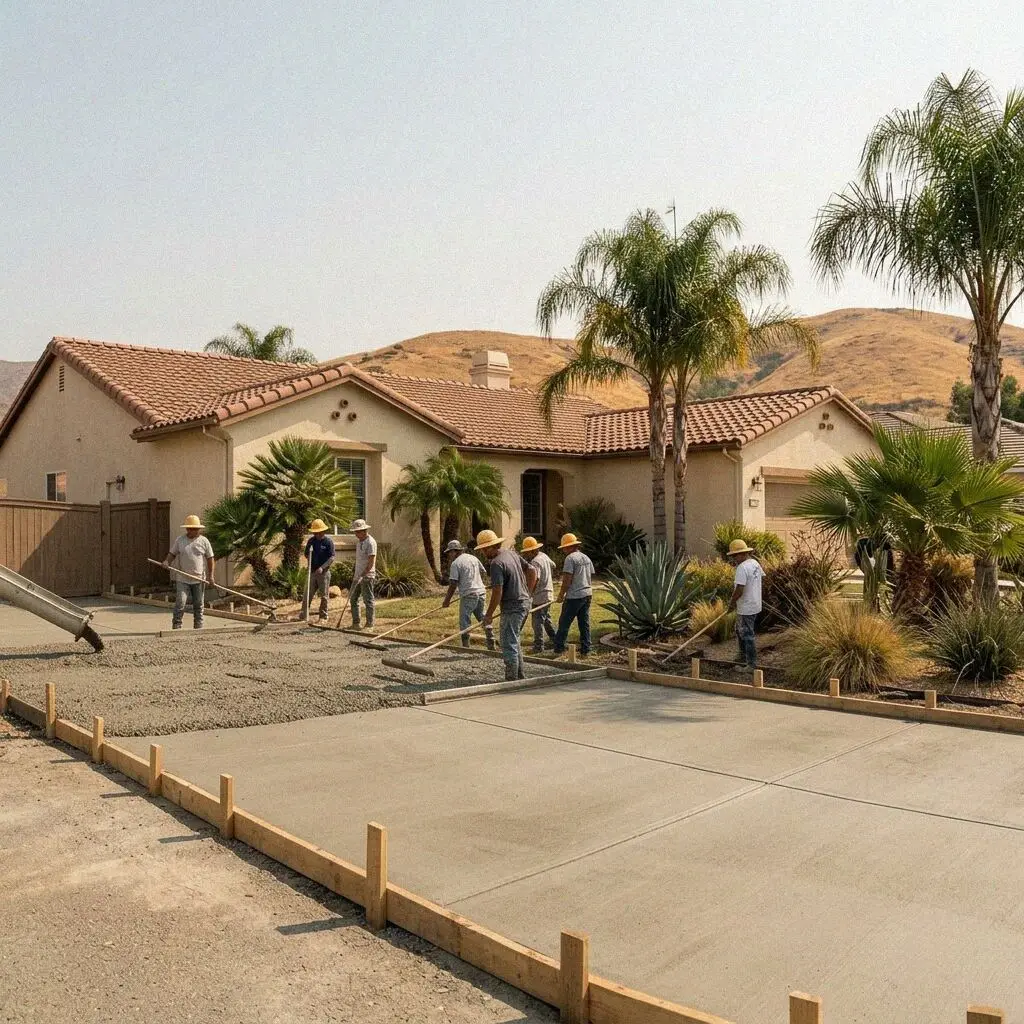
Concrete crew screeding a fresh parking lot pour at a Fullerton, CA business
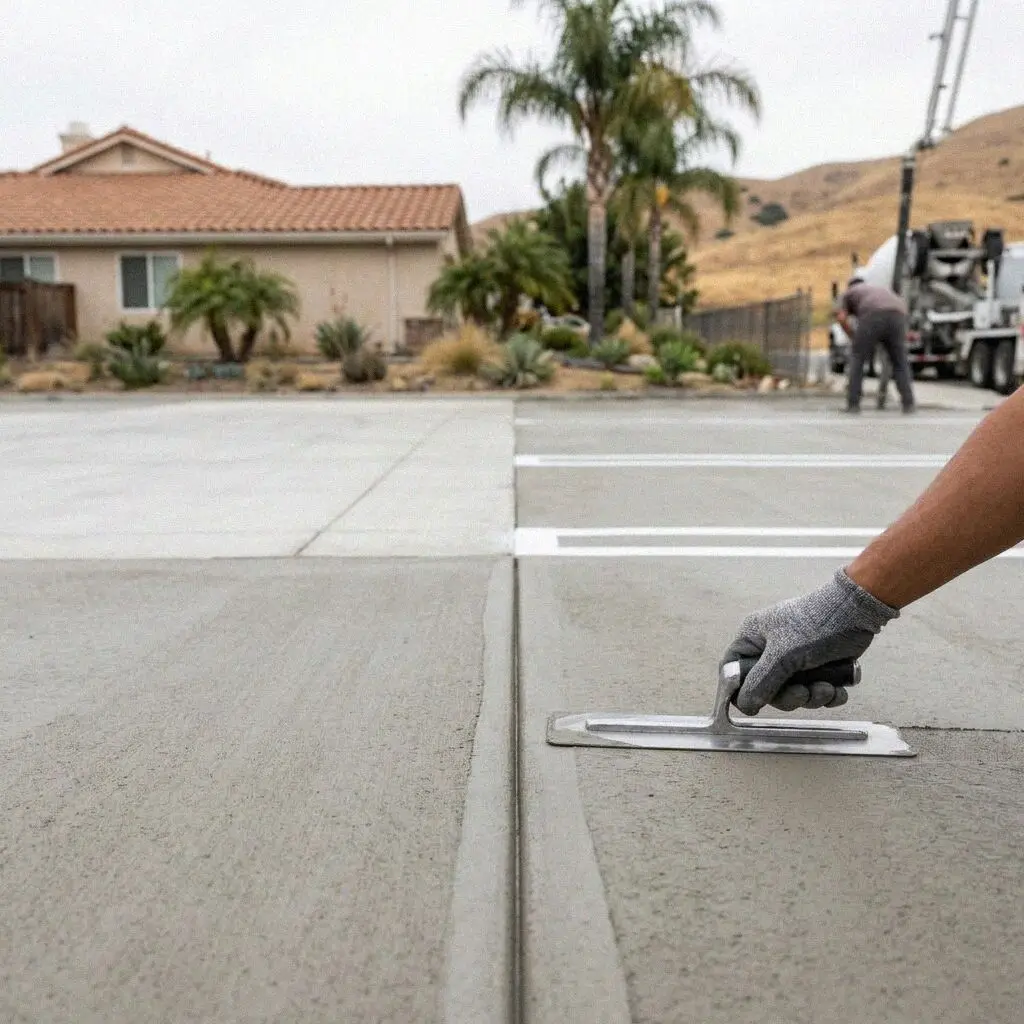
Crew setting dowel baskets at a parking lot joint in Fullerton, CA

Yard and strip lots

Building a Concrete Lot on a Fullerton Frontage

A parking lot wears out in three places and the stalls are not one of them. The drive aisle carries every car that enters, the dumpster pad takes a loaded refuse truck twice a week with its forks down, and the apron at the alley or the street takes each wheel as it turns in off the crown. Build those three lanes deeper than the bays the cars sit in and the lot lasts the 30 years concrete is good for, with the stalls cast thinner and the saving spent where the load actually lands.

Harbor Fullerton Concrete was started in 2021 by Grant Yoshida, who had 14 years on Orange County paving and flatwork crews before that, and he lays out every lot himself. Most lots in this city were paved once in asphalt when the corridors were built out and have been overlaid since, so the crew usually finds two or three lifts of asphalt over a base that was never rebuilt, which is why a lot here is broken out to soil rather than overlaid a fourth time.

Lots are built under a CSLB C-8 concrete license to the California Building Code, with liability insurance on every job. A commercial lot is a permit from Building and Safety with a site plan, and the accessible stalls, their aisles and the route to the door are checked against Chapter 11B at plan check and again on the ground, so they are laid out first. The finished lot carries a written workmanship guarantee against defects in how it was built.


Repave or rebuild

When is a Fullerton parking lot past another overlay?

Alligator cracking in the aisle

A web of cracks down the drive aisle means the asphalt has been flexing over base that has gone soft, and every car that enters flexes it again. An overlay bonds to that web and carries it back to the surface inside two winters. The aisle needs a rigid slab on rebuilt base.

Ruts at the dumpster enclosure

A refuse truck stops on the same two square yards, drops its forks and lifts a full bin, and asphalt under that shoves sideways into two ruts with a ridge between. Once the ridge catches the truck's belly the enclosure gate stops closing. Only a rebar pad takes that load.

Water standing at the low corner

A lot that ponds after rain has settled, because the fall it was paved to has been lost as the base gave way. Standing water works down through the cracks and softens the base further, so the pond grows each year. The grade has to be reset from the drains, and no overlay does that.

The apron breaking into the alley

Where the lot meets the alley the asphalt edge has nothing holding it, and each wheel turning in shears a piece off. Once the break reaches the first stall the public approach is failing too, and the city inspects it when rebuilt. The apron is poured thick and doweled to the lot.

In every lot

What Goes Into a Fullerton Parking Lot

Eight things are in every lot at no separate line, and each answers what a lot on these corridors does: two or three lifts of old asphalt over a base never rebuilt, a refuse truck on one pad, and a fall the years have flattened out.

Old asphalt milled out

Every lift of asphalt comes up and goes to the recycler, down to the soil, so the new lot is not built on the base the old one failed on.

Subgrade probed by lane

The ground is opened in the drive aisle, at the dumpster pad and at the apron, because those three carry the lot and the stalls do not.

Base compacted and tested

Class 2 aggregate base goes in and is plate-compacted in lifts, then checked with a probe before a single form board is pinned to it.

Depth set by what stops

5 inches under the stalls, 6 in the aisle, 8 on rebar at the dumpster pad and the loading door. Each depth is drawn on the plan you sign.

Doweled joints in lanes

Smooth steel dowels cross every joint a truck rolls over, so the panels share the wheel load and no slab edge steps up above its neighbor.

Accessible stalls to grade

The accessible stalls, their aisles and the route to the entrance are formed at no more than 1 in 48 in any direction and checked before the pour.

Fall carried to the drains

The lot is shot from the drain inlets outward and every panel falls toward one, so the low corner that ponded is not built back in.

Striping and walk-through

Stalls, arrows and the accessible markings are painted once the surface has cured, and the written guarantee is handed over on the walk-through.

Ways to pave it

Fullerton Parking Lot Builds, Compared

Four ways to build a lot on a commercial frontage here, set against what drives on it and how many years it has to hold. The base under all four is prepared the same way, so the table is about the pavement itself.

OptionCarriesReinforced withExpected lifeOpen again
5-inch stall baysCars and light vans parkingFiber through the mix30 years or more7 days for cars
6-inch drive aisleEvery car entering, delivery vansWelded mesh, doweled joints30 years or more7 days, 28 for trucks
8-inch truck padRefuse trucks, loading doors, apronsNumber 4 rebar both ways40 years or more28 days before the truck
Asphalt, concrete padsLarge lots with light trafficRebar in the pads only15 to 20 years, sealed2 days for cars

Asphalt is the smaller first bill and the larger one over 20 years of sealing and patching; a mixed lot spends the concrete only where the trucks stop.

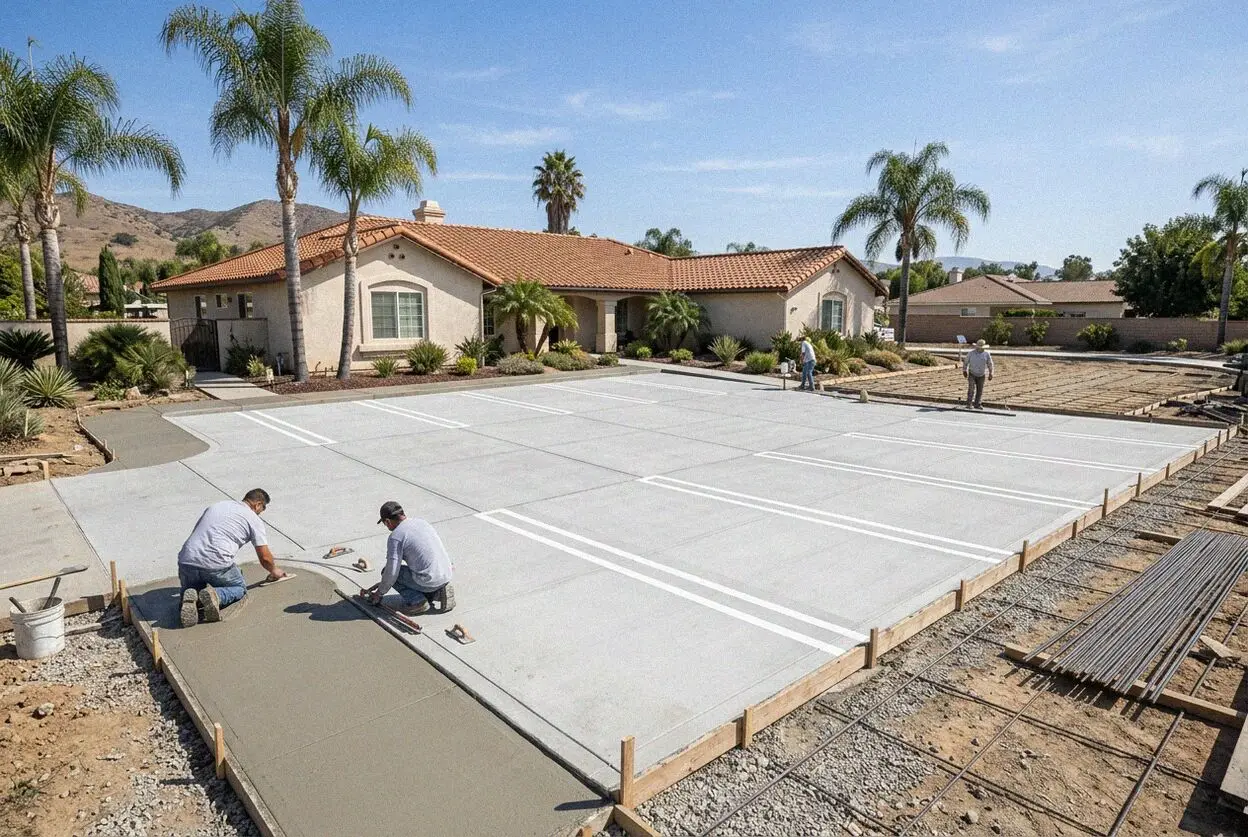
Concrete crew placing and screeding a commercial parking lot in Fullerton, CA

Corridors and ground

Why Lots Are Rebuilt by Lane in Fullerton

Two things decide a lot here and the stall count is neither: which corridor the frontage sits on, and a foot of sand over clay that asphalt reads as rutting and concrete does not.

The commercial ground in this city runs in strips. Harbor Boulevard and Chapman Avenue carry the retail frontages, Orangethorpe and Commonwealth carry the yards and warehouses where a lot is also a loading area, and State College and Nutwood carry the apartment lots that fill and empty with the university term. Each is a different lot, and the difference is where the heaviest wheel stops, the refuse truck at the enclosure, a rig backing to a door, or the fire lane.

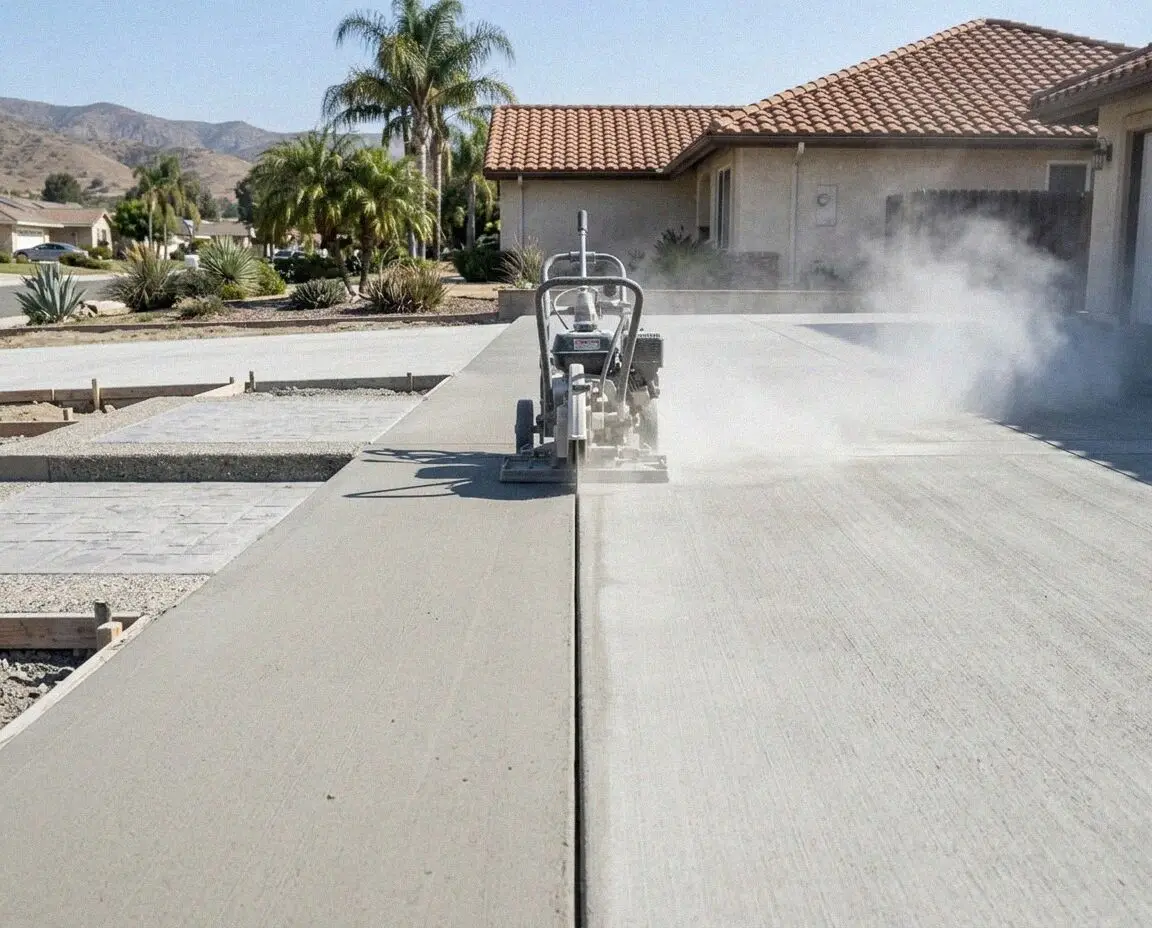
Under all of them is the ground the houses sit on, a foot of sandy loam over a clay horizon that swells wet and shrinks dry. Asphalt is flexible, so it follows that movement and records it as ruts and alligator cracks; a concrete panel on doweled joints bridges it and moves as one piece. That is why the corridors are converted lane by lane rather than overlaid, and why the trench for a new drain inlet is sawn before the pour by our concrete cutting crew, not broken out after.

From call to striping

How We Build a Fullerton Parking Lot

Five stages, one crew throughout, and the person who lays the lot out is the one on it at the pour. The plan is filed with the city before the milling machine arrives, and the lot is poured in halves so the business stays open.

1

Walk the lot, open the aisle

Grant Yoshida counts the stalls, shoots the fall from the drains and digs test holes in the aisle and at the pad. The figure is written on site.

2

Draw the lanes, file the plan

You settle the depths against what stops where, the accessible stalls are laid out to the code, and the site plan goes to Building and Safety.

3

Mill out and rebuild the base

The asphalt is milled and recycled, soft base is dug out where the holes showed it, and new base is compacted in lifts and probed.

4

Form, dowel and pour by half

Forms follow the drain grades, dowel baskets sit at the lane joints, and one half is poured while cars use the other, from first light in summer.

5

Cut, cure, stripe and hand over

Joints sawn the same day, the slab kept damp for seven days, then striping and the accessible markings, and the paperwork on the walk-through.

Behind the number

What Sets the Estimate on a Fullerton Parking Lot

The lanes that carry a truck set the figure more than the count of stalls, and what the test holes turn up under the old asphalt finishes it. Nothing is priced from an aerial photograph. Every estimate is measured and written on site.

The strip lot on Harbor

A dozen to forty stalls with one enclosure and one apron. Most of the concrete is 5 inches, so the pad and the apron are what move the figure.

The apartment lot off Nutwood

Carports on post footings and a fire lane the truck must reach, poured in phases so tenants keep a space, which adds days more than concrete.

The yard on Orangethorpe

A lot that is also a loading area is mostly 8-inch rebar slab, and a drain inlet or a trench for a new line is cut and sleeved before the pour.

Color, borders and islands

Integral color, a tooled border at the walk or planted islands with curbs add forming and finishing time, and each is its own line on the sheet.

The visit, the holes and the drawn plan cost nothing, and the call that fixes a time for it comes within 1 business day. (657) 500-3759 or send us a message.

Ready to have your Fullerton lot laid out?

Send the form or ring the yard on Harbor Boulevard, and someone calls back within 1 business day to fix a time. Grant Yoshida counts the stalls, opens the aisle and writes the figure at the lot, and the shop stays open meanwhile.

Request a Free Estimate

Written on site · No obligation

By submitting, you agree to our disclosure and consent terms, including being contacted by Harbor Fullerton Concrete.

Lots we rebuilt

Three Fullerton Lots, in Their Owners' Words

Three reviews left on Google, Facebook and the BBB, each about a parking lot rather than a drive or a patio, and each naming the lane or the pad that was poured and what has stood on it since.

Google review

“Our strip on Orangethorpe had been overlaid three times and the aisle was a web of cracks. They milled it to dirt, rebuilt the base and poured the aisle at 6 inches with the dumpster pad at 8. The refuse truck has been on it every week since last spring and there is not a mark.”

Rosa M. of FullertonStrip lot rebuild · Google · 2025
Facebook review

“We run a body shop off Commonwealth and the apron into the alley had broken back to the first stall. Grant poured the apron and the loading door at 8 inches on rebar and doweled it to the rest. Flatbeds back in over it every day and the alley edge is exactly where he left it.”

Danny K. of FullertonTruck apron and loading pad · Facebook · 2024
BBB review

“Twenty-two units near the university and the fire lane had ponded every winter. They reset the fall to the drain, poured the lane at 6 inches and did the lot in two halves so nobody lost a space. Two wet winters on and the water leaves the lot the way it was drawn to.”

Priya S. of FullertonApartment lot and fire lane · BBB · 2023

Before you book

Parking Lot Questions Asked in Fullerton

What moves the figure on a lot, how long the business is disrupted, what the city checks, and what is guaranteed once the stripes are down, answered for a commercial frontage in this city.

(657) 500-3759
  • Why do two lots the same size get different estimates?

    Because the lanes that carry a truck cost more than the bays that hold a car, and two lots the same size can have different amounts of each. A strip with one enclosure is mostly 5-inch slab; a yard where rigs back to a door is mostly 8-inch slab on rebar with doweled joints. What the holes find under the old asphalt moves it next, since soft base has to come out first. All of it is measured at the lot.

  • How long is a business without its parking?

    It is never without all of it. A lot is poured in halves, so one half stays open while the other is milled, based, poured and cured, which puts a forty-stall lot at about two weeks a side. Cars go back on a half seven days after the pour and the refuse truck on its pad at 28, and the enclosure is done last so the bin is missed for one collection at most. Summer pours start at first light.

  • Is milling the old asphalt part of the estimate?

    Yes. Milling every lift of the old surface, hauling it to the recycler and digging out any base the holes showed to be soft are in the figure, and so are the striping, the accessible markings and the wheel stops. Named on the visit rather than added later are the city's permit fees, a drain inlet found broken once it is exposed, or a light standard that has to move. The figure you sign is the one billed.

  • Which permits does a parking lot in Fullerton need?

    A building permit from Building and Safety with a site plan showing the stalls, the accessible spaces and the drainage, and, where the lot meets the public walk or an alley, an encroachment permit from Public Works Engineering for the approach. Replacing rather than resurfacing a lot can also bring the city's stormwater review, settled at plan check. We draw the plan, file it and meet the inspector.

  • Will insurance cover a parking lot that has broken up?

    Ordinary failure, no. A commercial property policy treats rutting, cracking and settlement as wear, and a lot overlaid three times has reached the end of what asphalt does. What a carrier does consider is a sudden cause, a water main under the lot that has burst and washed the base out, a vehicle that has struck the apron, or a fire. Photograph the damage before anything is milled and ask your broker first.

  • What does the guarantee on a new lot actually cover?

    How the lot was built: the depth poured in each lane, the base under it, the dowels at the joints, the fall to the drains and the finish, each printed on the plan you sign. It is a written workmanship guarantee against defects in how it was built. Tire marks, oil, striping wear and ground moving beyond what the joints control sit outside it. Where the fault is in the build, we come back and put it right.

  • What mix and steel go into a Fullerton lot?

    A 4,000 psi ready-mix batched that morning, Caltrans Class 2 aggregate base underneath, and number 4 rebar both ways through the 8-inch pads and aprons. The 6-inch aisle takes welded mesh at mid-depth with smooth dowels across its joints, and the 5-inch bays carry fiber in the mix. The mix design and the steel are listed on the plan, so what the truck delivers can be checked against what was agreed.

  • Does the owner have to be on site during the work?

    Only for the layout at the start and the walk-through at the end. Between those the crew needs water, the half being worked on kept clear, and the refuse company told which week the enclosure is closed. If the lot is the only way to a loading door, say so at the visit and the pour is phased so a rig can always reach it. Tenants and staff are told the week's plan in writing before the milling machine comes.

Towns we pave in

Concrete Parking Lots Around Fullerton

The eight nearest towns on the coverage list, with the straight-line distance from the yard on Harbor Boulevard beside each. Every lot is walked and laid out at the property before a figure is written.

Show All Areas We Serve

Book a free layout of your Fullerton lot

Call the yard or send the form and you hear back within 1 business day. Say roughly how many stalls there are and whether a truck loads on it, and the visit is booked for a day inside the same week.